

Static IP (Dedicated IP) vs. Shared IP: Which One Do You Truly Need?
 Sharon
  2026.04.14
When you connect to a VPN, you’re assigned an Internet Protocol (IP) address that hides your real location and identity. But not all IPs offer the same experience. Choosing between a Shared IP and a Static (Dedicated) IP can directly affect your access stability, account security, and overall online efficiency.
At PandaVPN, we deliver high-performance network solutions tailored to different user needs. Let’s break down the differences—and help you decide whether a Static IP is essential for you.
The Fundamental Difference
| Feature | Shared IP (Standard VPN) | Static IP (Dedicated IP) |
|---|---|---|
| Usage | Shared by multiple users at the same time. | Exclusively assigned to one user; remains constant. |
| Privacy | Strong anonymity by blending with other users. | Lower anonymity but higher identity consistency. |
| Reputation | May be affected by other users’ behavior. | Clean, stable reputation tied only to you. |
| Cost | Included in most standard VPN plans. | Typically offered as a premium feature. |

Why Use a Shared IP?
For most users, a Shared IP is the ideal choice. By mixing your traffic with many others, it significantly enhances anonymity and reduces the chance of being individually tracked.
It’s best suited for:
- Everyday browsing and casual use
- Accessing geo-restricted content
- Users who prioritize privacy and anonymity
Who MUST Use a Static IP (Dedicated IP)?
While Shared IPs excel in privacy, they can sometimes trigger security checks or restrictions on sensitive platforms. In the following cases, a Static IP becomes a necessity rather than a luxury:
1. Remote Workers & Business Professionals
Many companies rely on IP whitelisting to protect internal systems. If your IP changes frequently, access may be denied. A Static IP ensures seamless, uninterrupted login to corporate networks and tools.
2. Crypto Traders & Online Bankers
Financial platforms are highly sensitive to unfamiliar login activity. Using a Shared IP—especially one previously flagged—can result in account verification delays or even temporary restrictions. A Static IP provides a consistent identity, reducing these risks.
3. Frequent CAPTCHA Avoiders
If you’re constantly solving CAPTCHA challenges, it’s likely due to high traffic from Shared IPs. A Static IP offers a cleaner reputation, minimizing interruptions and improving browsing efficiency.
4. Gamers Hosting Servers
Hosting a game server requires a stable and consistent connection point. With a Static IP, your server address never changes—ensuring smoother connections and a better multiplayer experience.
Why Choose PandaVPN for Your Connection?
Whether you need the anonymity of a Shared IP or the reliability of a Static IP, PandaVPN provides a premium, performance-driven experience:
- Ultra-Fast IPLC Lines: Leveraging IPLC technology to bypass congestion and deliver lower latency than standard VPN routes.
- Advanced Acceleration Technology: Optimized servers ensure stable, high-speed connections without performance drops.
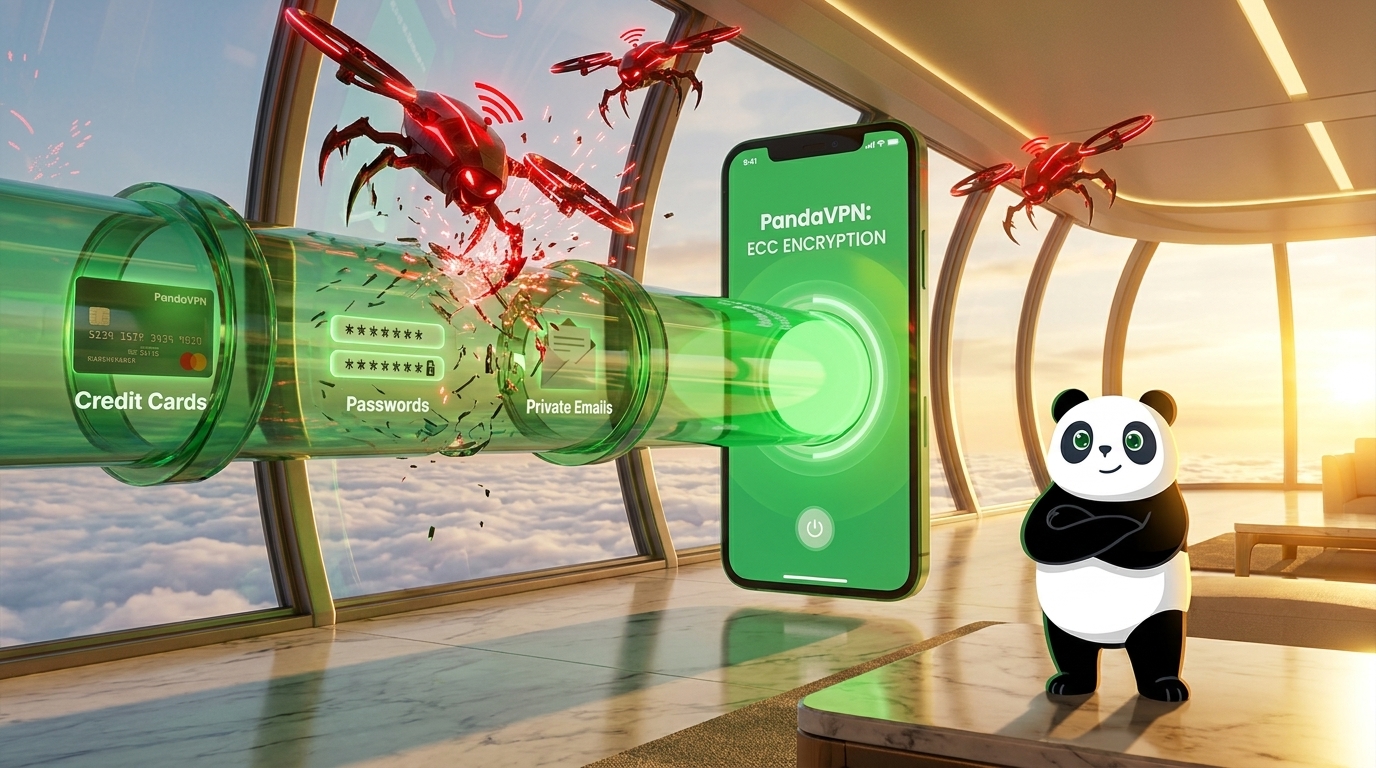
- Top-Tier Security: ECC encryption protects your data with enterprise-grade security, keeping it safe from interception.
- Global Server Network: 6,000+ servers worldwide for fast, flexible, and reliable connections anytime, anywhere.
Conclusion
If your top priority is privacy and anonymity, a Shared IP is the most efficient and cost-effective choice. But if you need stability, trust, and uninterrupted access—especially for work, finance, or hosting—a Static IP becomes a critical upgrade.
Ready to enhance your online experience? Get PandaVPN today and unlock the perfect balance of speed, security, and reliability.

Related Posts


Featured Posts